

British Airways
The World of Flight
Digital Brand & Experience Design Language
- Client
- British Airways
- Period
- 2016 — 2021
- Scope
- Brand direction, design language, motion
A single, flexible design language for every British Airways digital experience — with its own approach to physics, interaction and navigation.
The objective & opportunity
Raise the level of the British Airways digital experience across the board, create visual and experiential consistency across every platform, and define a practical set of guiding principles for future digital experiences — whether on screen, in virtual reality or even on the roof of Terminal 5.
Typography
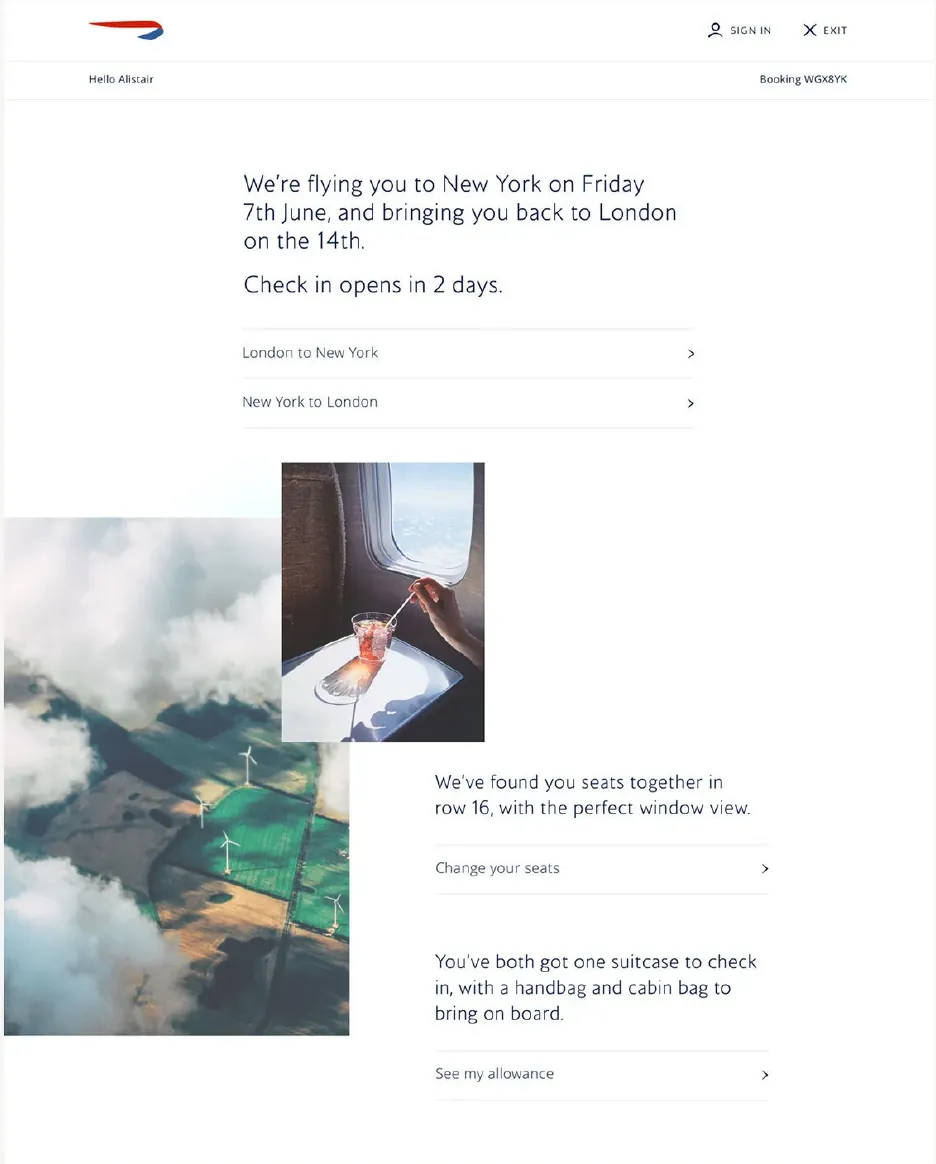
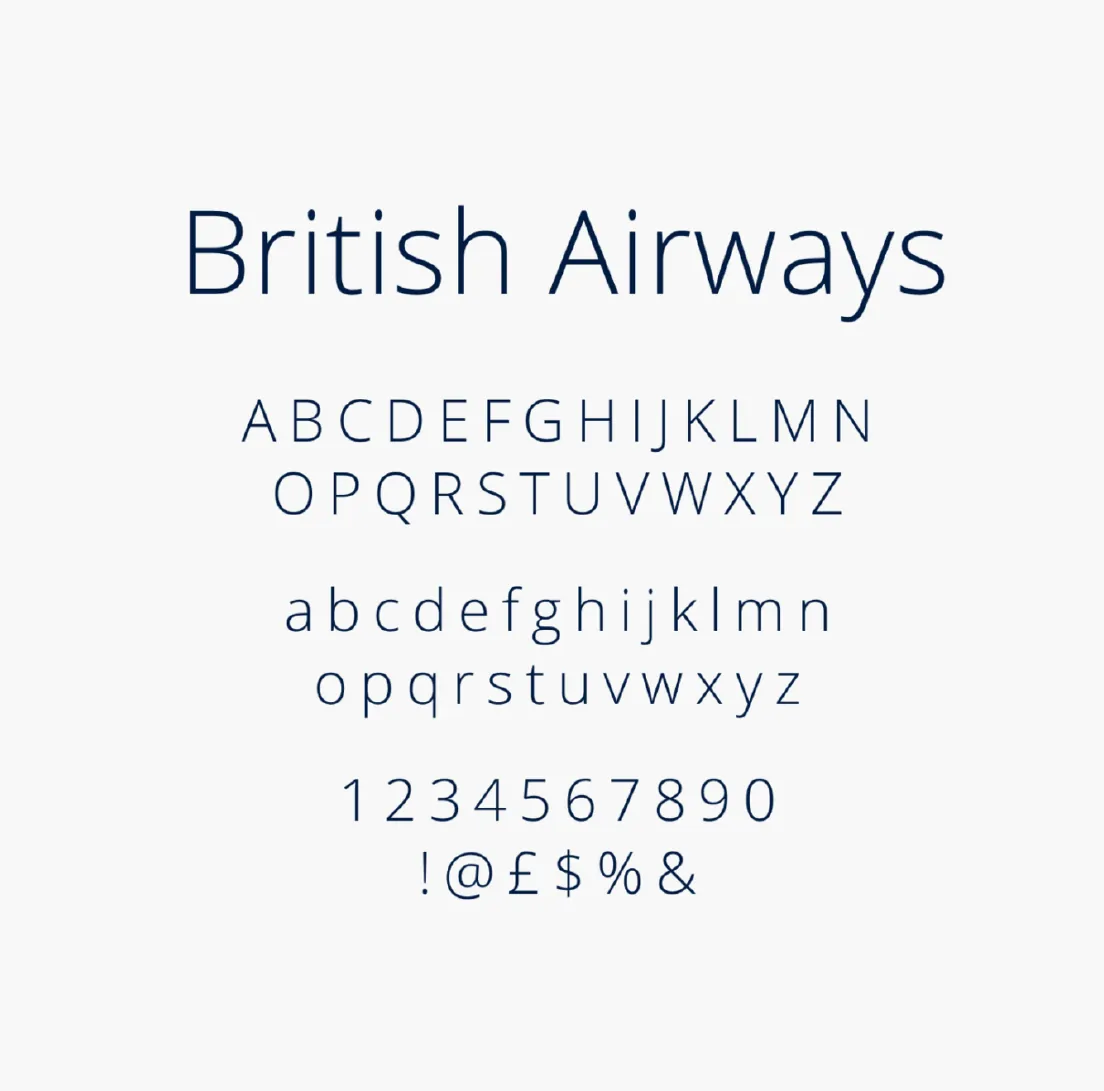
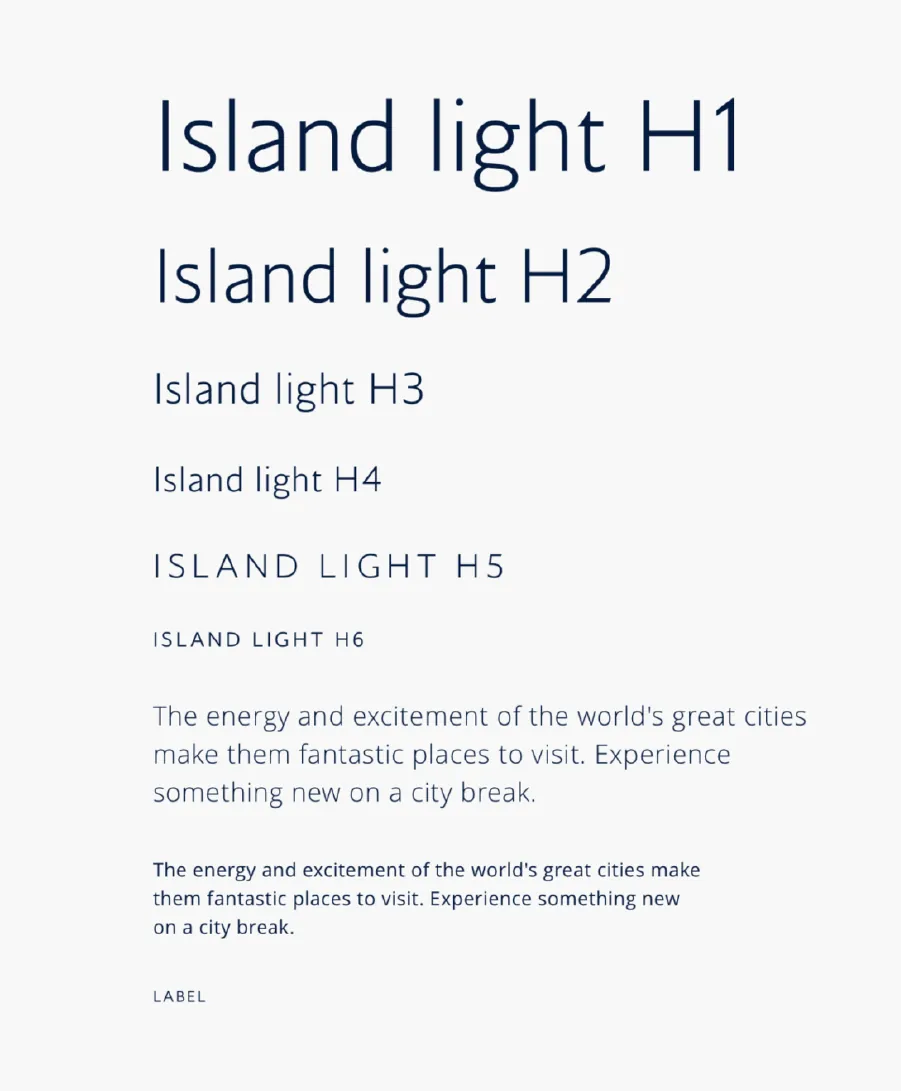
A visual expression of the British Airways brand voice, typography is an instantly recognisable brand asset present on every digital touchpoint. Type sizes are set as percentages of the body copy, creating a clear information hierarchy that flexes across any application.
Iconography & illustration
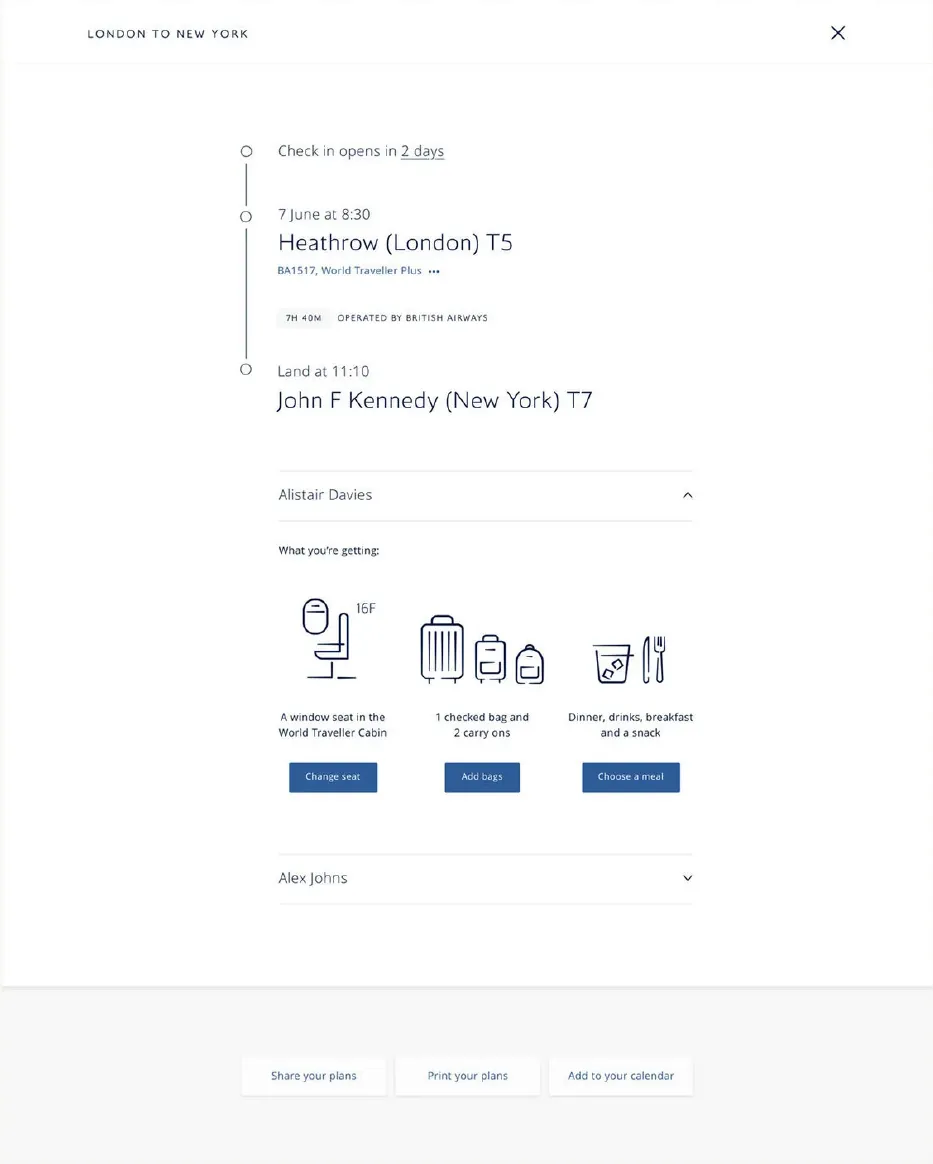
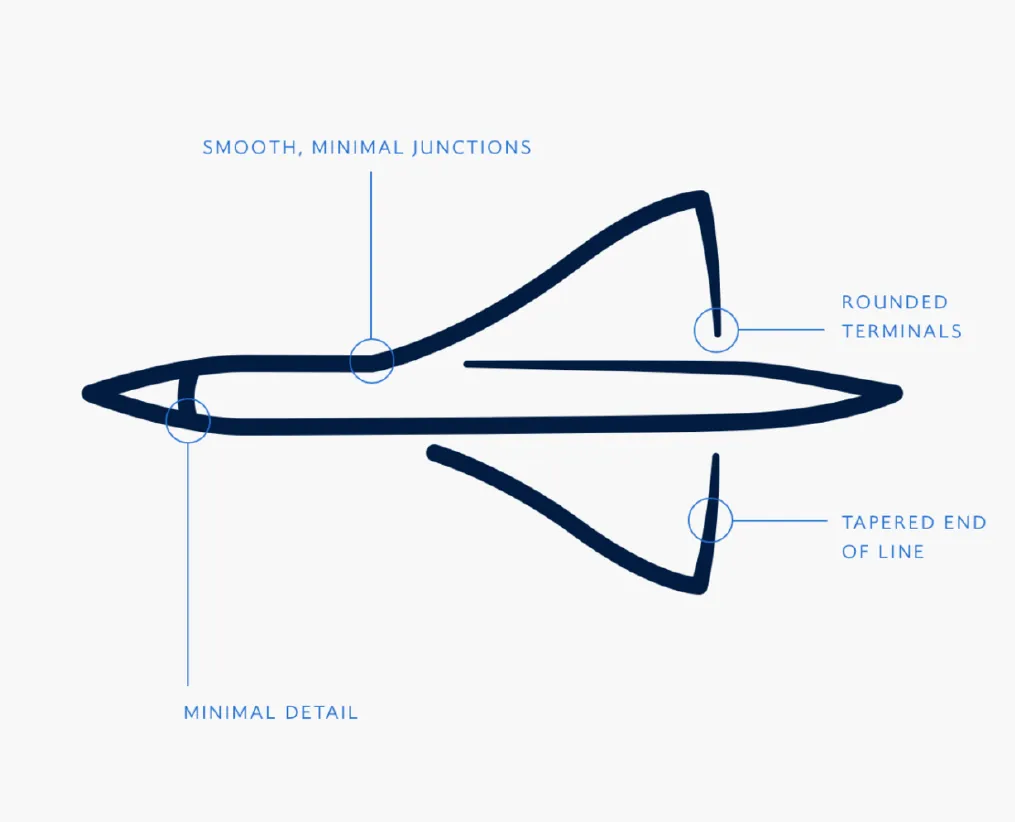
Icons and illustrations share one drawing approach: lines finish with rounded terminals and taper towards the end, and curves are kept as soft as possible.
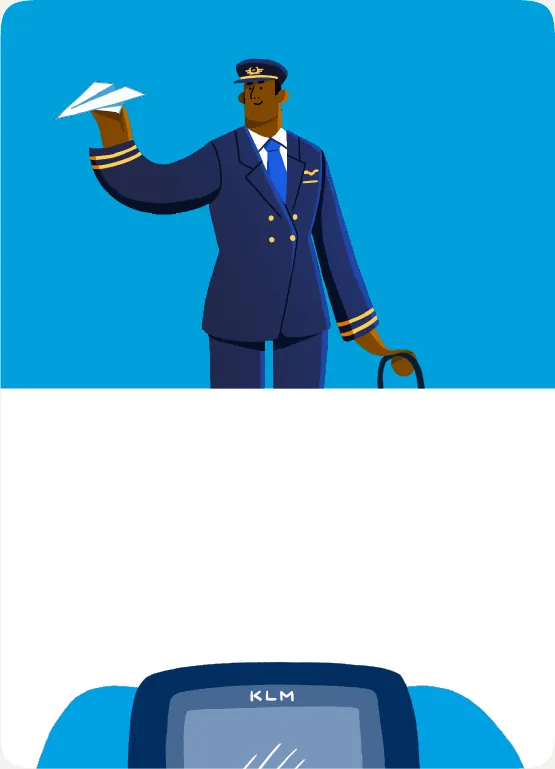
Illustrations respond to their context and come in three sizes — small, medium and large — gaining complexity and detail as they grow, while always being treated the same way for consistency.

Art direction
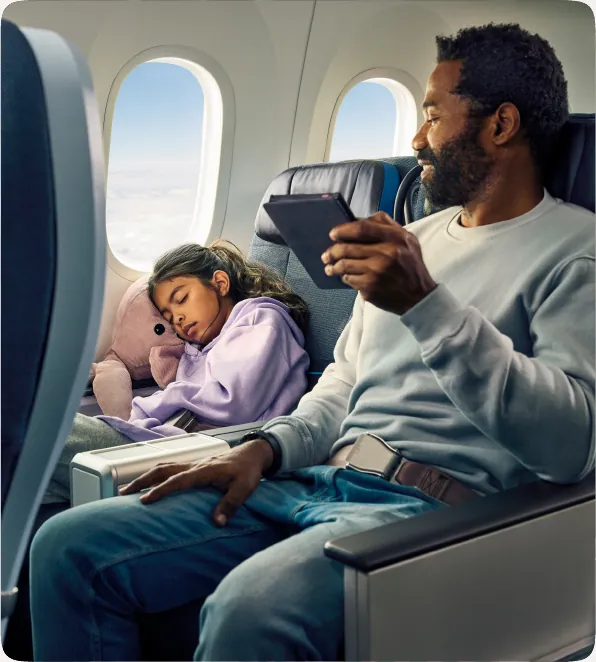
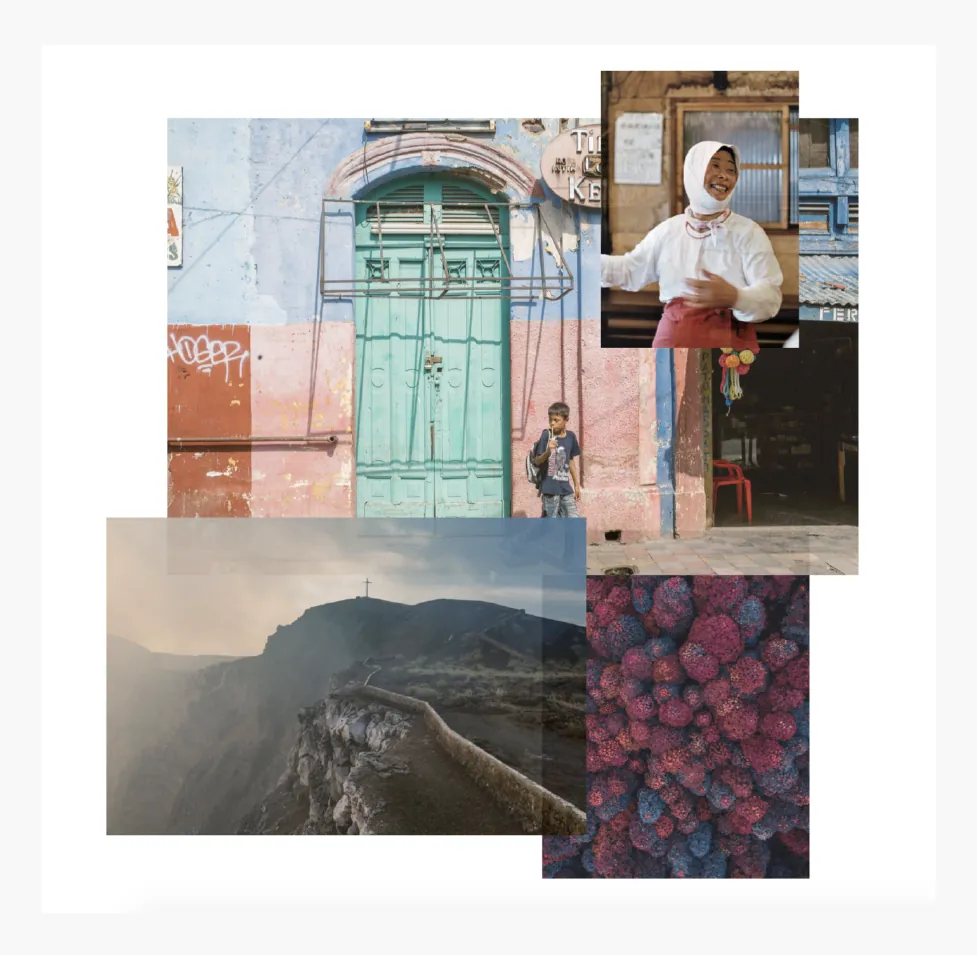
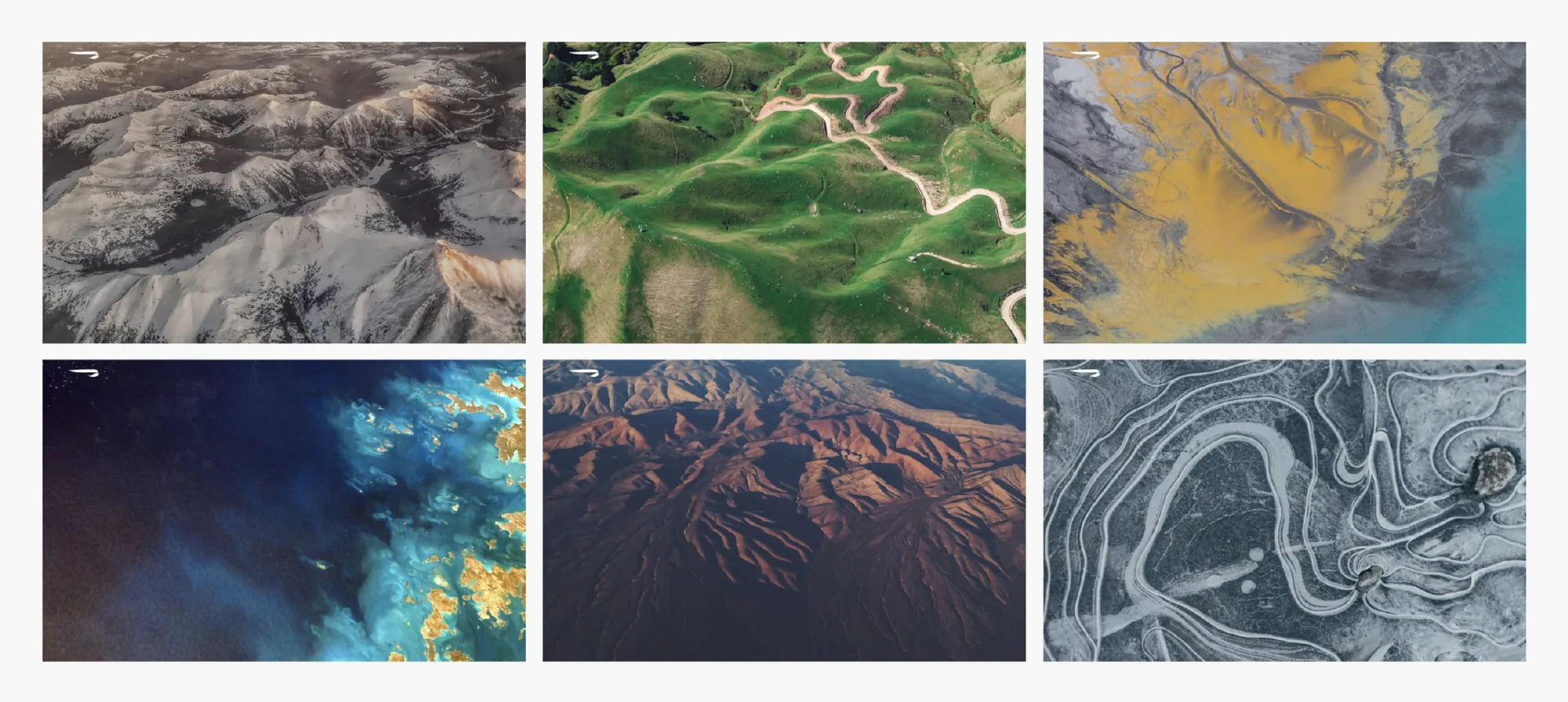
Photography creates a sense of wonder through three principles:
1. Insider experiences
Hero the stories of people who know destinations best — experts and locals documenting what really makes a place, not just what the postcards show.
2. New perspectives
Show people an angle they wouldn't find anywhere else, from a distance and right up close, but never predictable.
3. Find the wonder
The world is full of amazing experiences and fantastic people, and the imagery celebrates this.
Motion & transition
Velocity curve. Every animation uses the same velocity curve, for scale, movement, opacity and blur, so the whole experience shares one interaction feel.
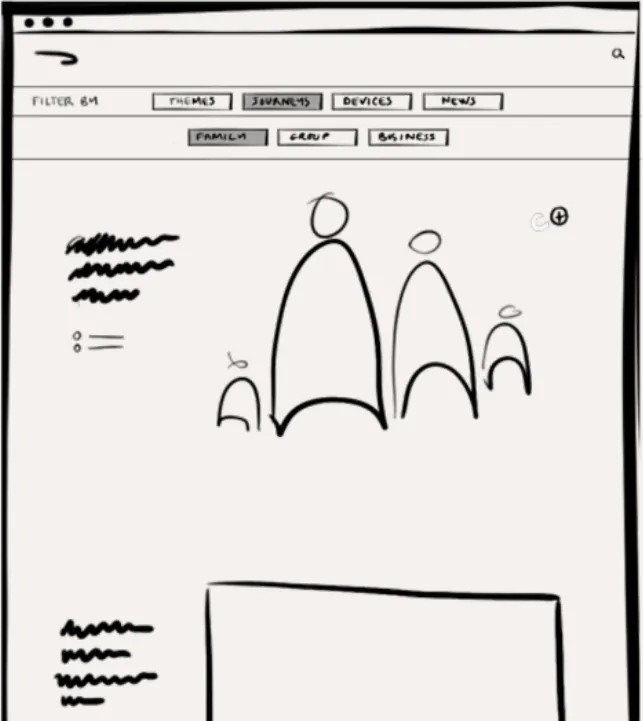
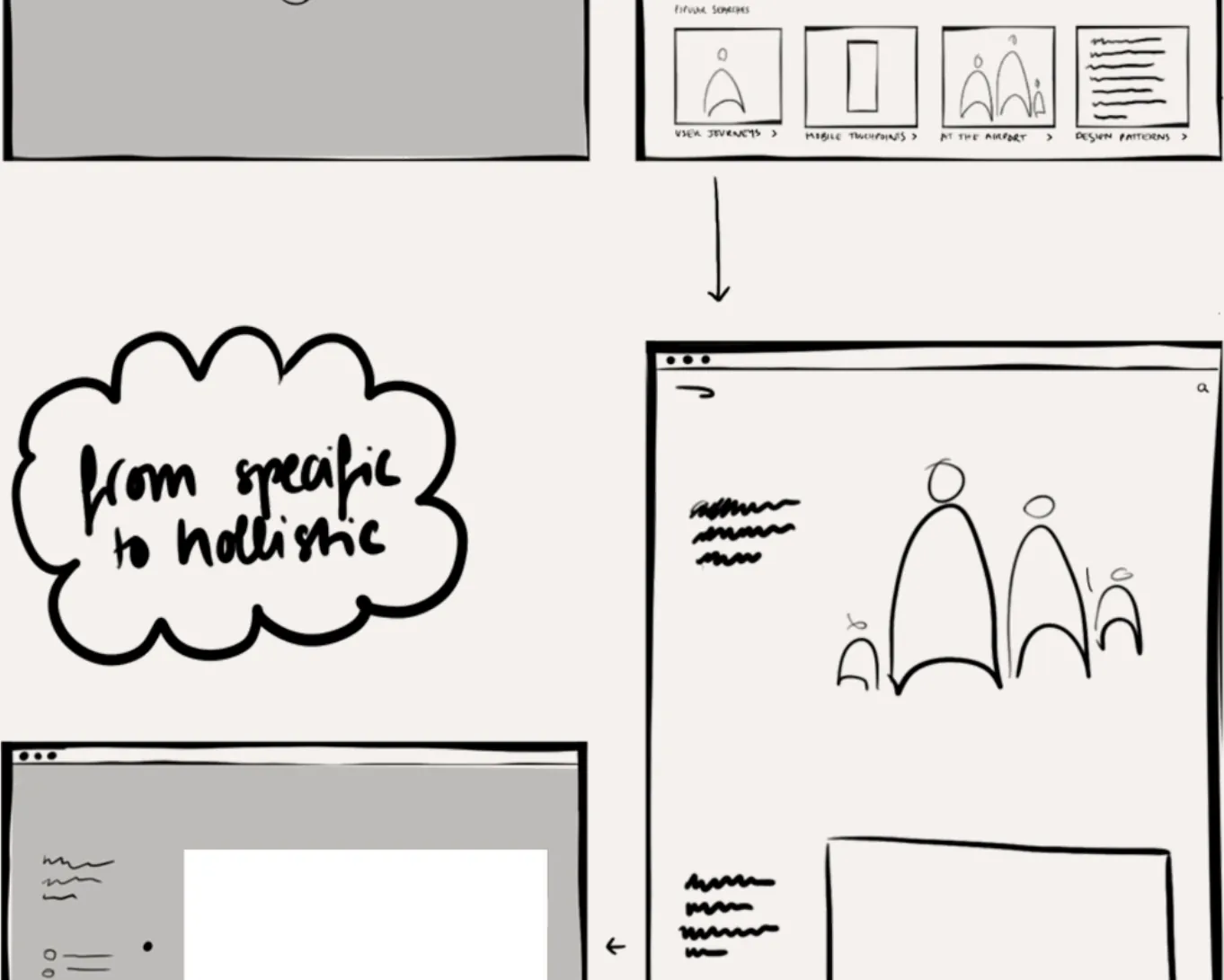
Transitioning to content. When a link is clicked, a piece of the page's content is carried through to the next page.
Modal behaviour. Modals use a frosted card; the page behind fades to 10% opacity until the modal is closed.
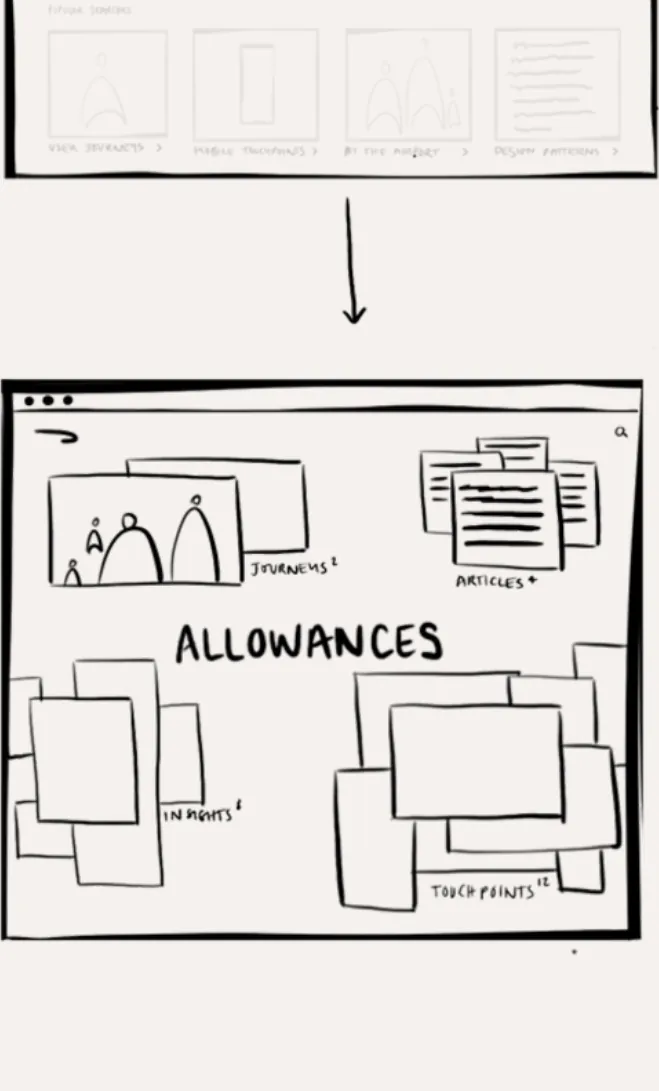
Navigating layers. Content can be explored on the X and Y axes and in depth on the Z axis, with a 5% parallax offset between layers.